Why Wheel Alignment Matters
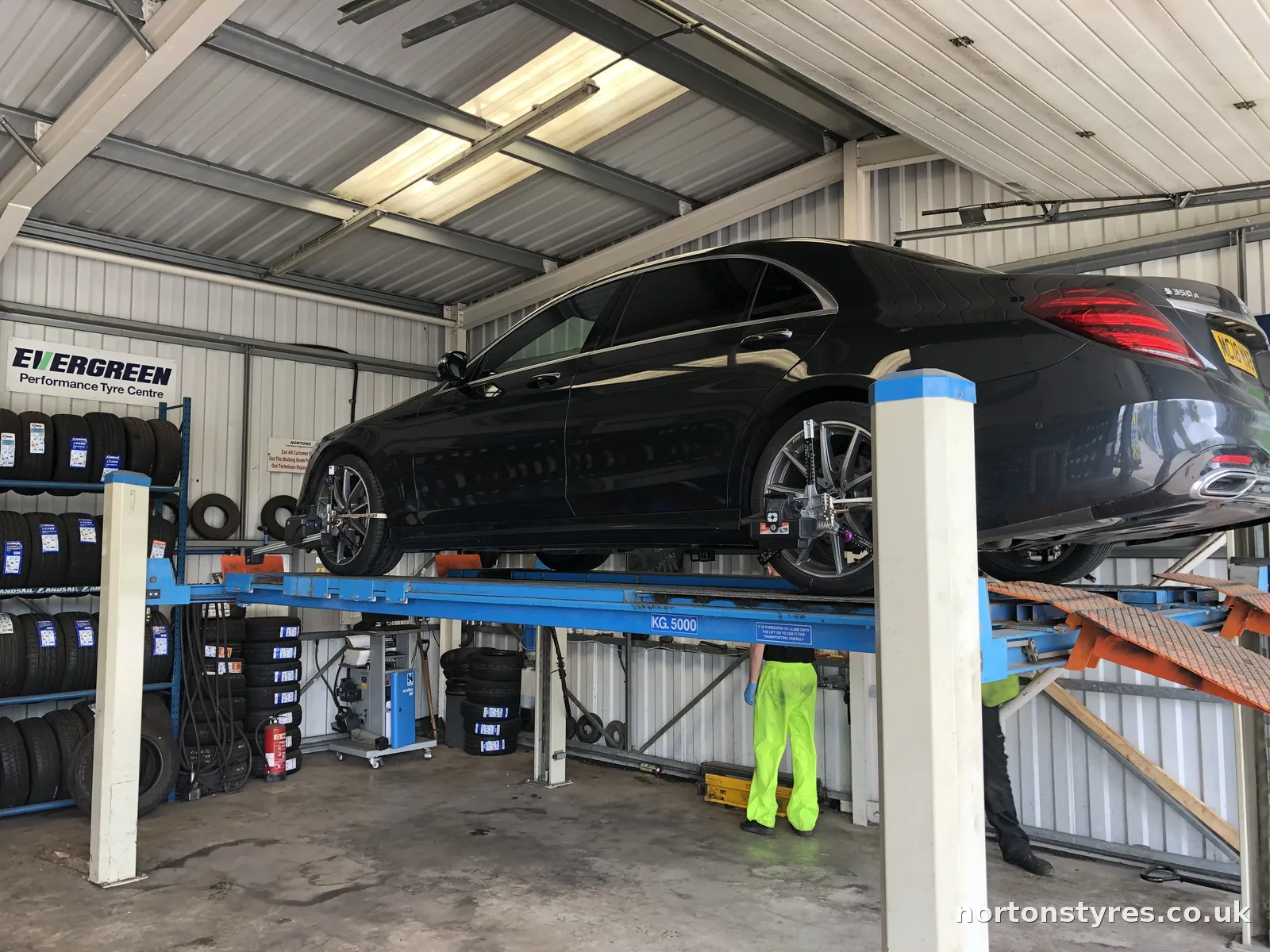
Incorrectly aligned wheels cause uneven tyre wear, pulling to one side, poor fuel economy and reduced handling. Even hitting a single pothole or kerb can knock your alignment out.
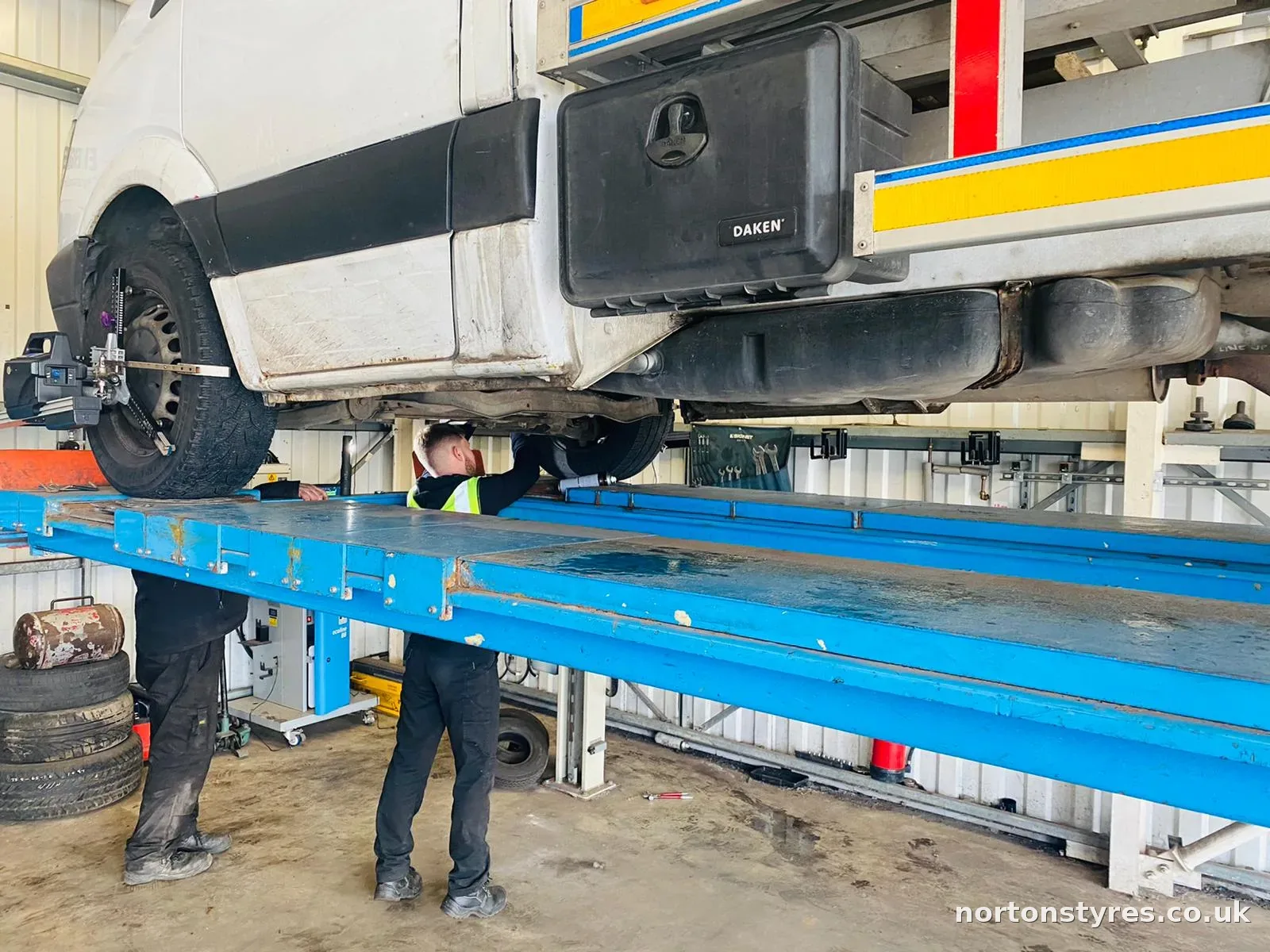
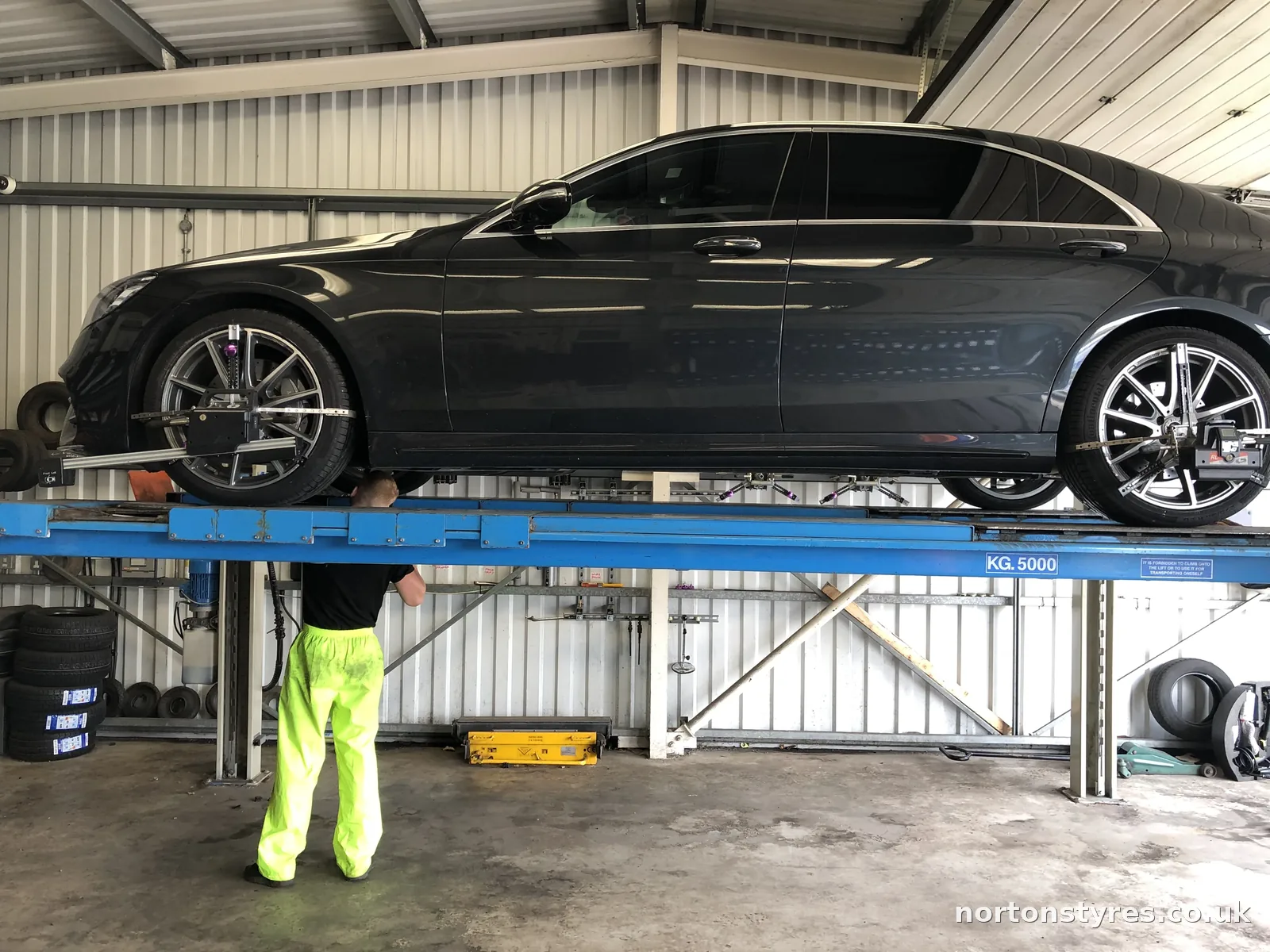
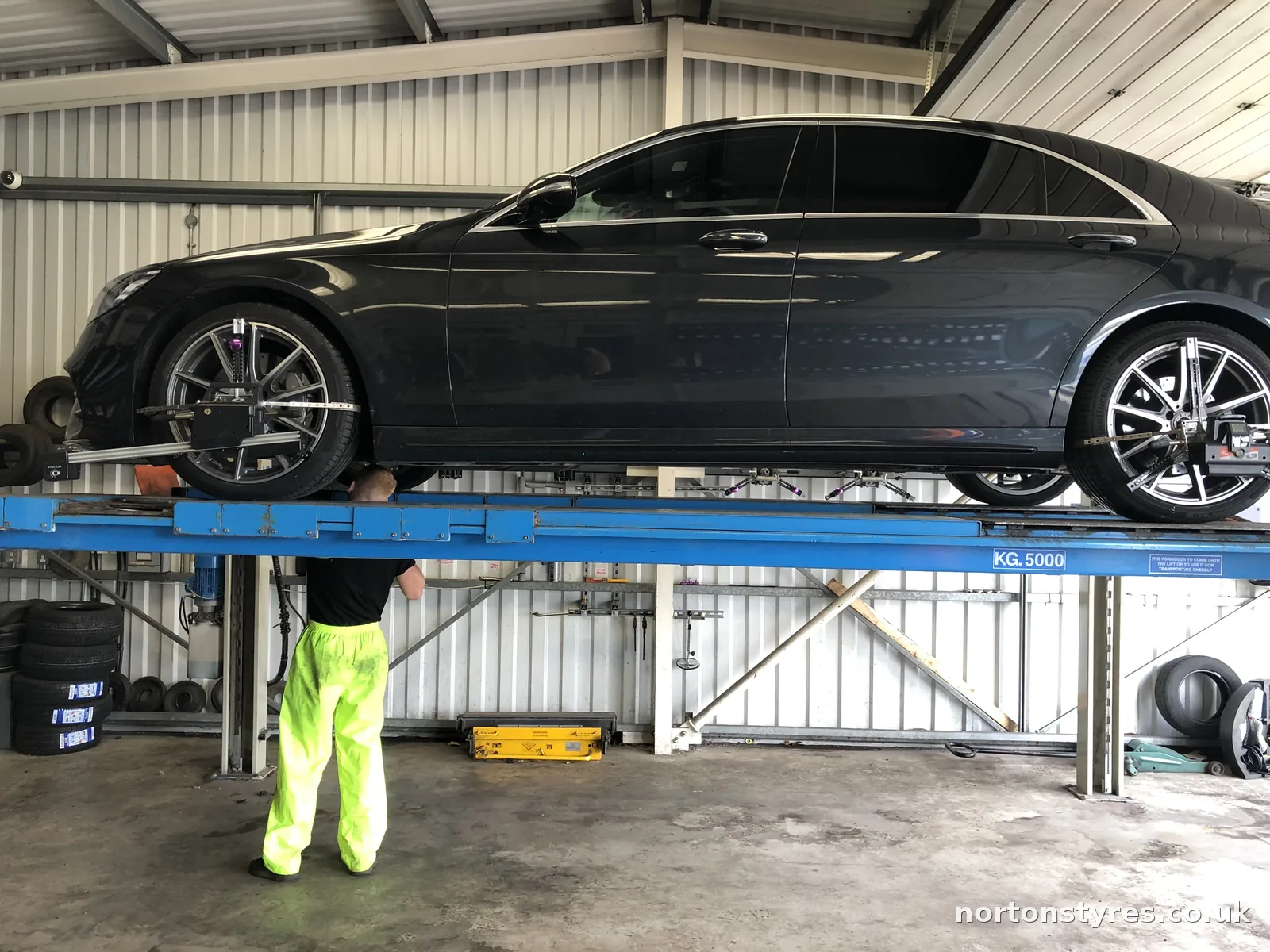
We use computerised wheel alignment equipment to measure and adjust your wheel angles precisely to manufacturer specification.
Signs You Need an Alignment Check
- Vehicle pulling to the left or right
- Uneven or rapid tyre wear
- Steering wheel off-centre when driving straight
- After hitting a kerb or large pothole
- After fitting new tyres
- As a routine check every 6,000 miles
- Vibration through the steering wheel
What We Adjust
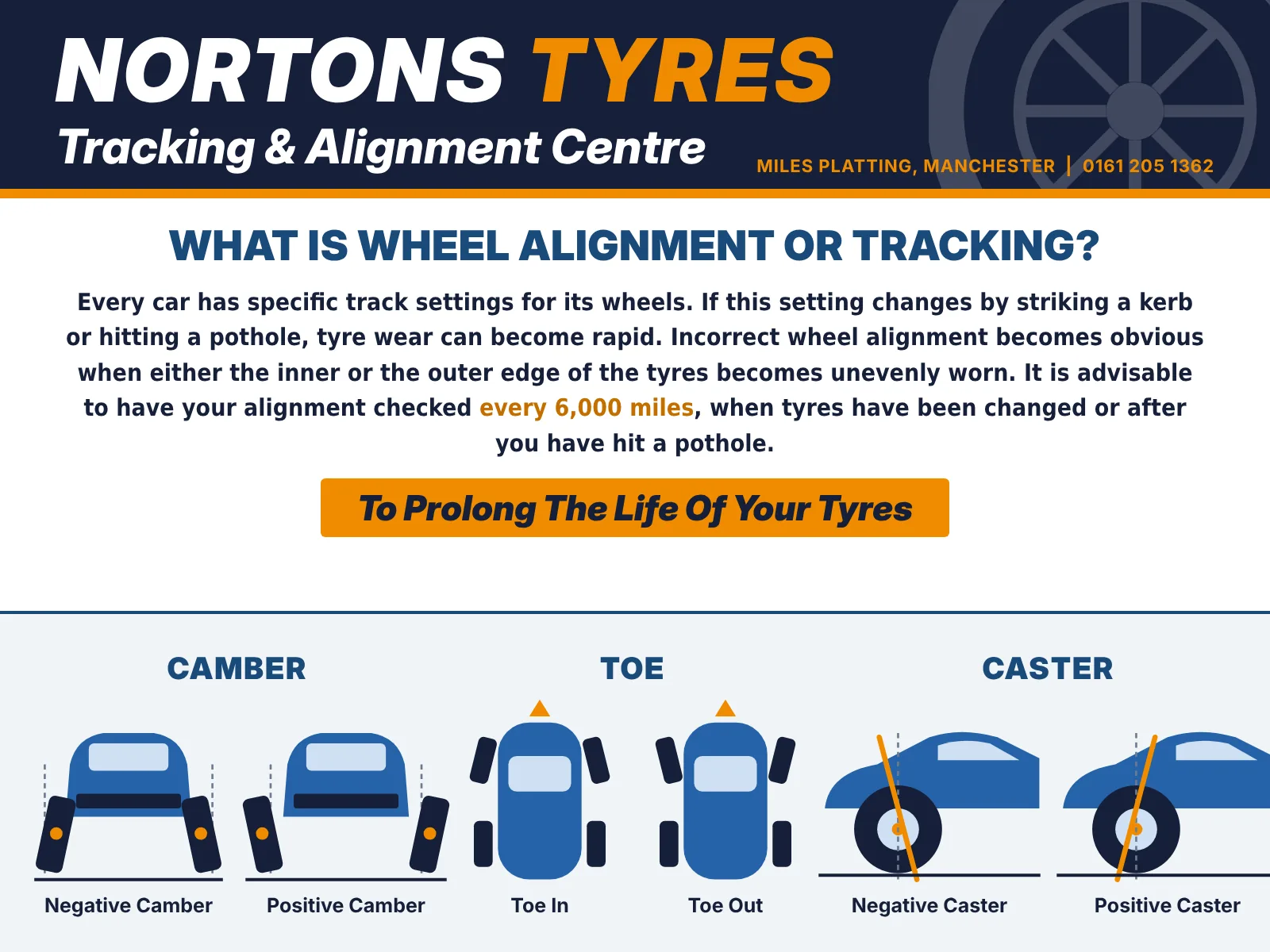
Toe Alignment
The most common adjustment. Toe-in or toe-out causes rapid inner or outer tyre wear and is the primary cause of a vehicle pulling to one side.
Camber
The inward or outward tilt of the tyre when viewed from the front. Incorrect camber causes one-sided tyre wear and affects cornering stability.
Caster
The angle of the steering axis. Incorrect caster affects straight-line stability and steering return. Checked as part of a full four-wheel alignment.
Tracking vs Full Alignment
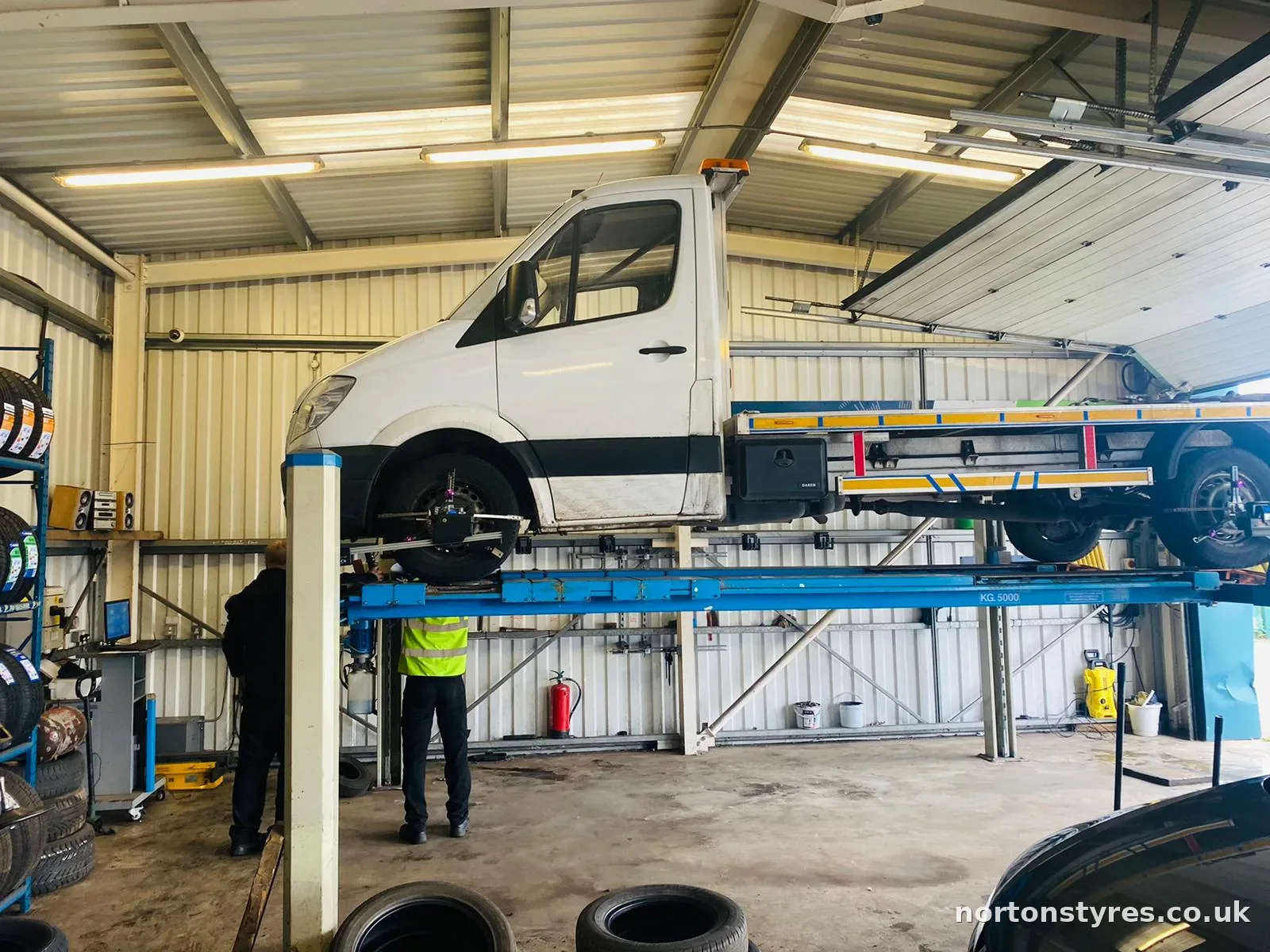
Tracking (front two-wheel alignment) checks and adjusts the toe angle on the front axle only. This is the most common and affordable check.
Full four-wheel alignment checks all four wheels including rear toe and camber. Recommended after suspension work, on four-wheel drive vehicles, and on vehicles with independent rear suspension.
We will advise which is appropriate for your vehicle when you bring it in.
Opening Hours
Mon–Fri 08:00–18:00 • Sat 08:00–13:00
0161 205 1362
Book a Wheel Alignment Check
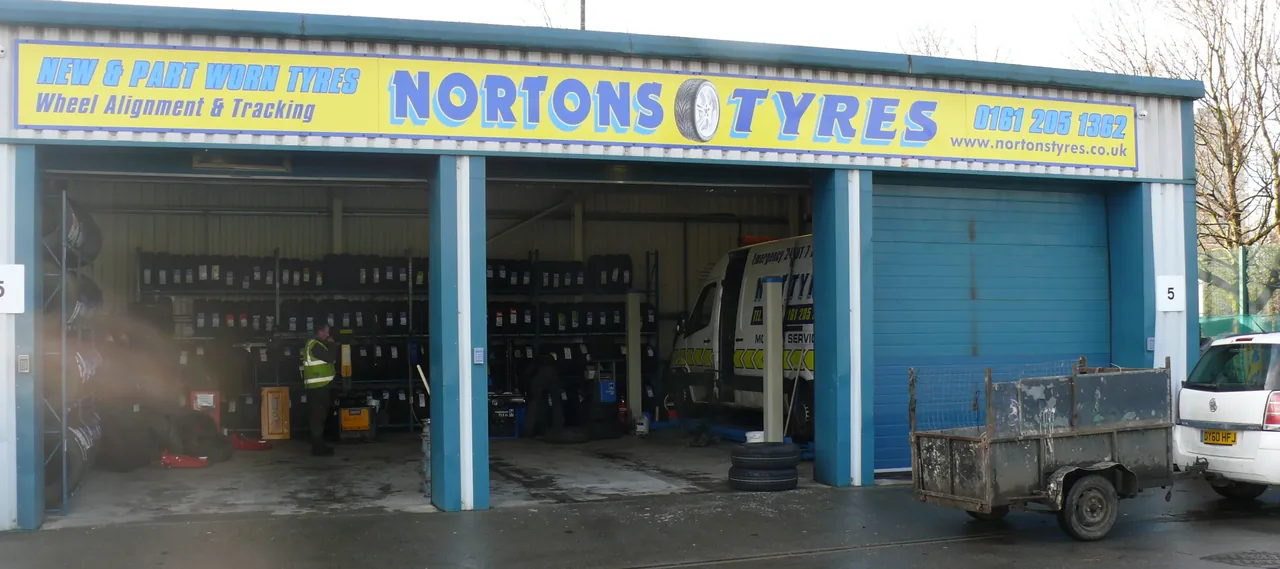
At our tyre bay in Miles Platting, Manchester. Call or book online.
Book Appointment Call 0161 205 1362